Overview
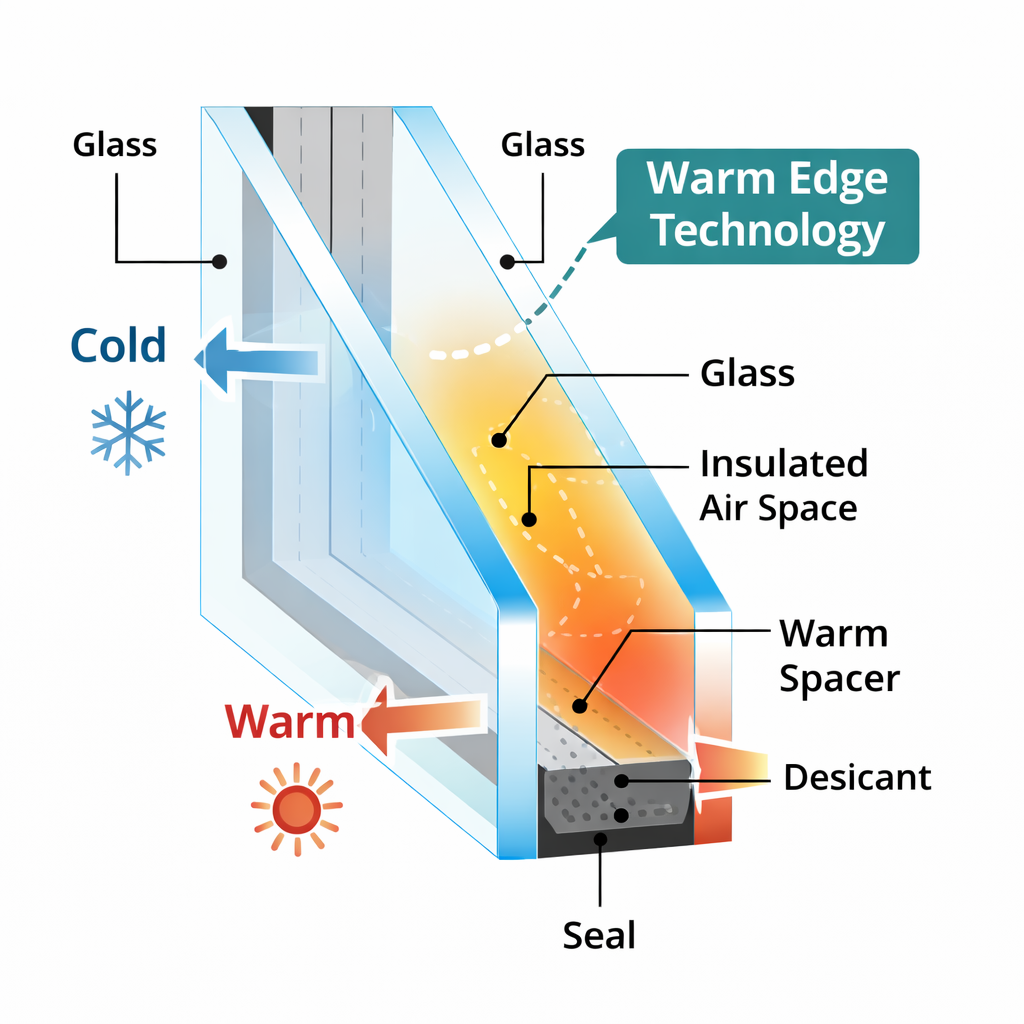
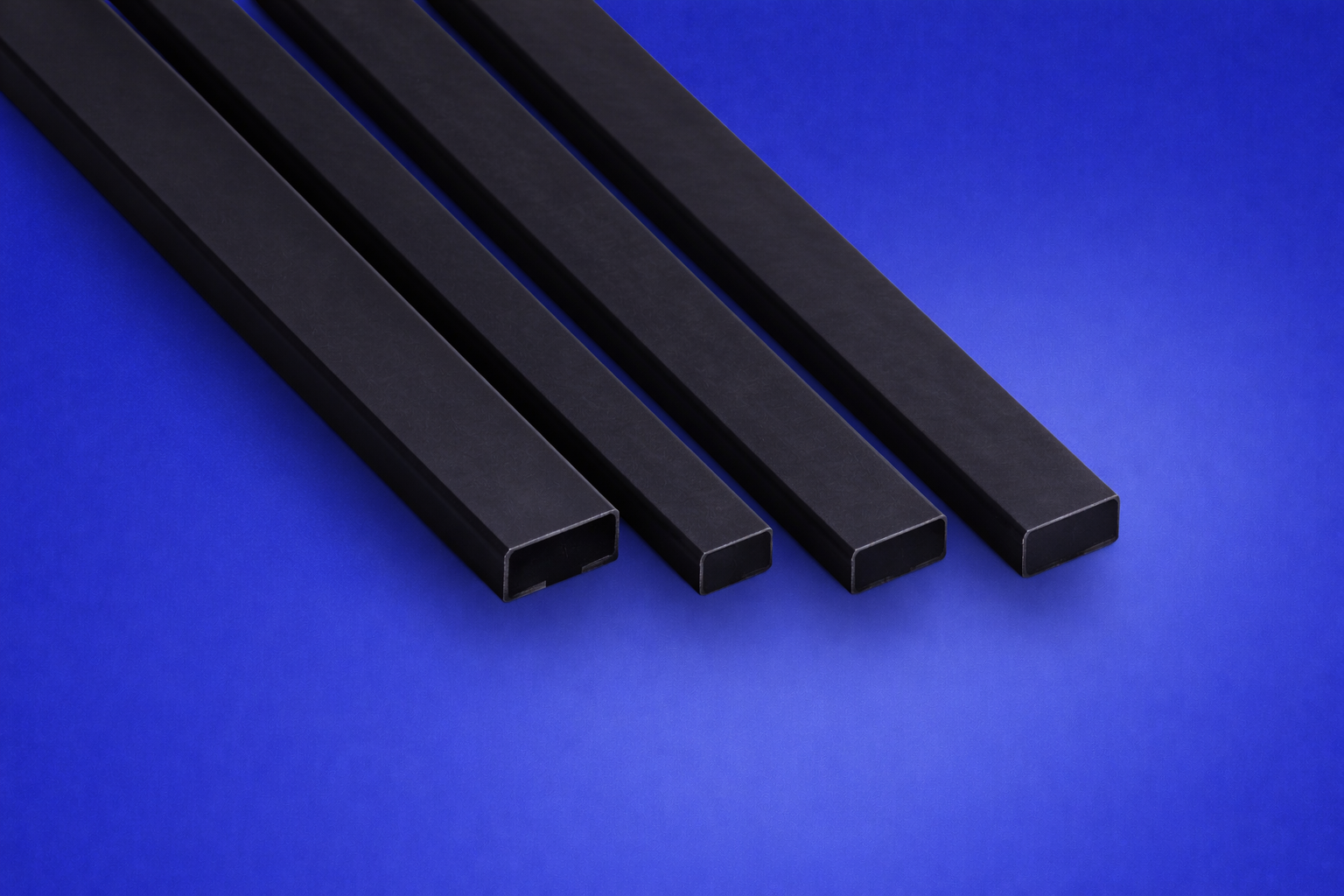
Warm edge technology uses a flexible, non-metal spacer in place of a traditional conductive metal profile between the panes of an insulated unit. Because the edge of glass is often where the greatest thermal transfer occurs, reducing conduction in this area can make a meaningful difference to overall unit performance.
These systems are commonly selected for projects that aim to improve winter comfort near windows, reduce cold-edge effects, and minimise the risk of edge condensation in spaces with higher humidity or stronger energy-efficiency targets.
Key benefits
- Reduces thermal bridging around the perimeter of the unit.
- Helps increase inner-edge glass temperatures to limit condensation risk.
- Supports improved thermal comfort and energy efficiency.
- Accommodates expansion and contraction for strong long-term seal performance.
- Can contribute to better acoustic outcomes in suitable insulated builds.